
Building the backbone of a cinema chain
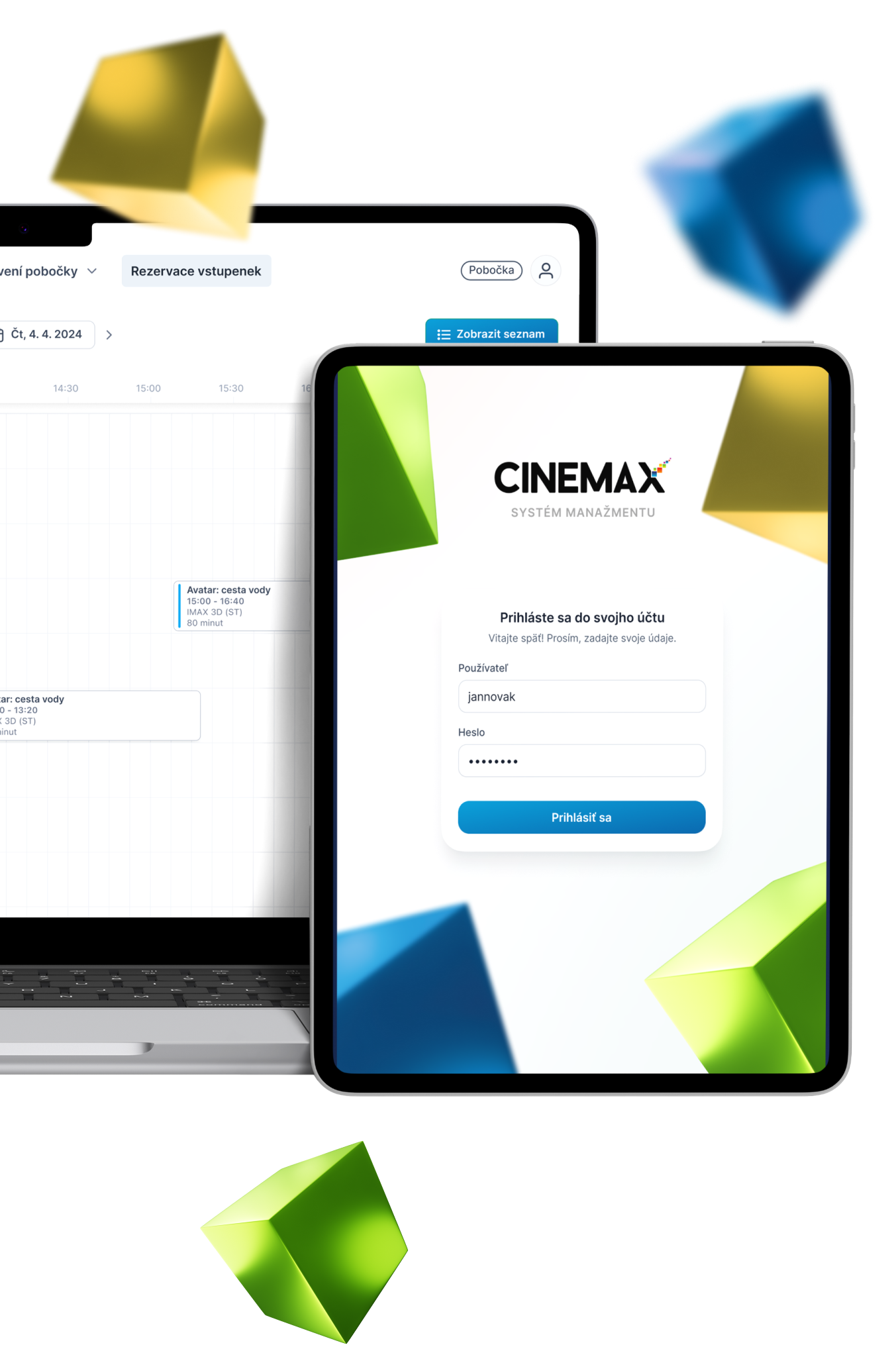
Cinemax Manager is a backoffice platform built for a cinema chain, split into two separate apps. Both share the same design language: Manager for chain administrators and Branch for staff at individual cinemas. Together they cover the full operational lifecycle, from adding films and managing distributor contracts to configuring seating plans, overseeing staff and processing ticket sales at the box office.
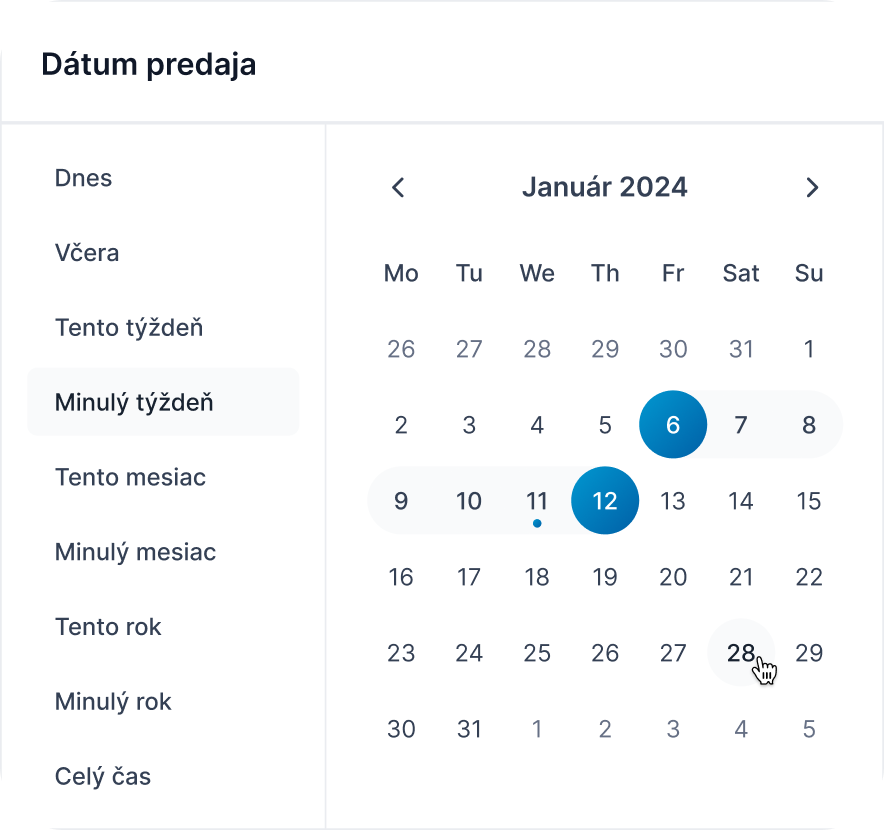
Cinema operations cover a surprisingly wide surface area. A single workflow might involve film metadata, distributor licensing, hall layouts, time slots, pricing rules and live seat availability, often handled by different people with different levels of access.
The task was to design a system that felt coherent across all of these domains without collapsing them into one overwhelming interface.
The Manager app gives chain administrators visibility across all branches: managing the film catalogue, creating distributor contracts, overseeing staff and setting parameters across the system. The Branch app gives local teams exactly what they need: today's programme, seat configuration, ticket sales and a live box office overview.
Rather than hiding features behind permissions in a single app, the two interfaces are built for their specific audiences, simpler for branch staff and more powerful for administrators.
A component library was a prerequisite, not an afterthought. It covers everything from the Cinemax logotype and favicon through atoms, including a seat component with eight interaction states, to organisms like the global navigation header, which adapts its available items and active state to reflect the current page and role.
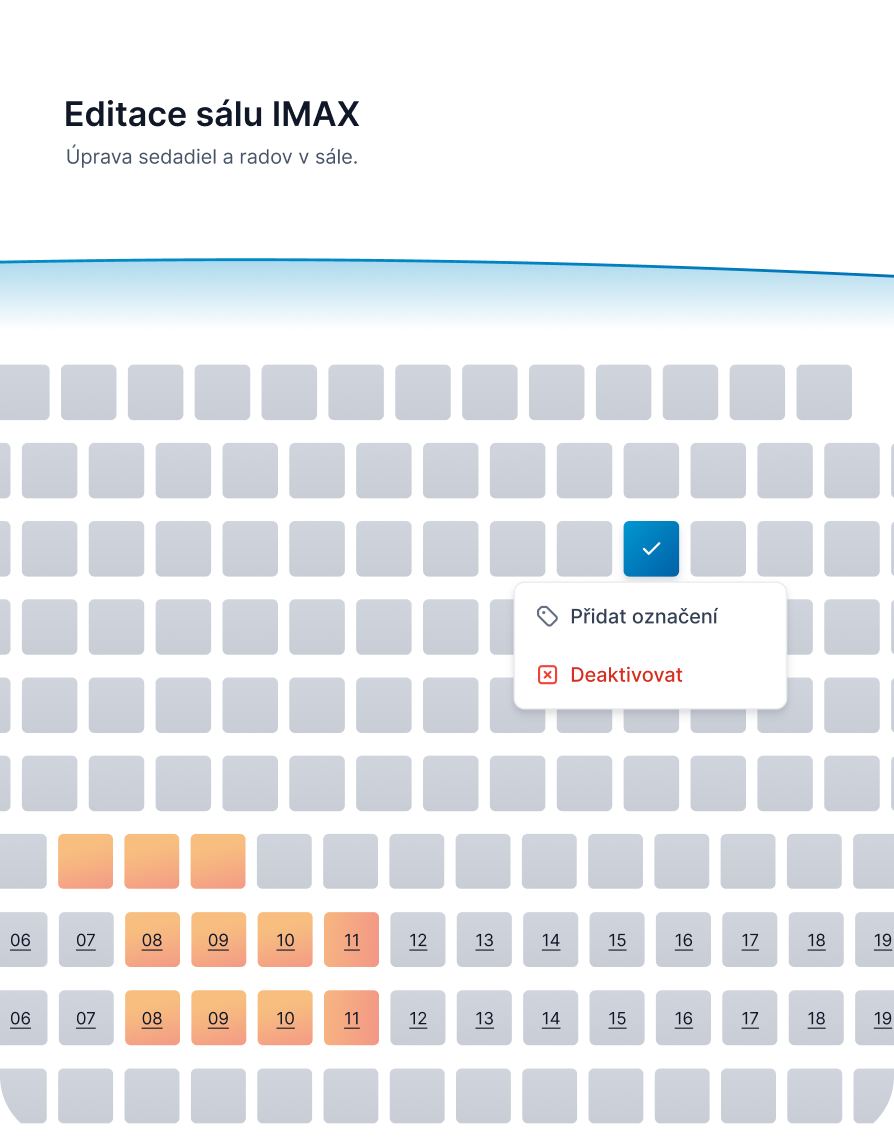
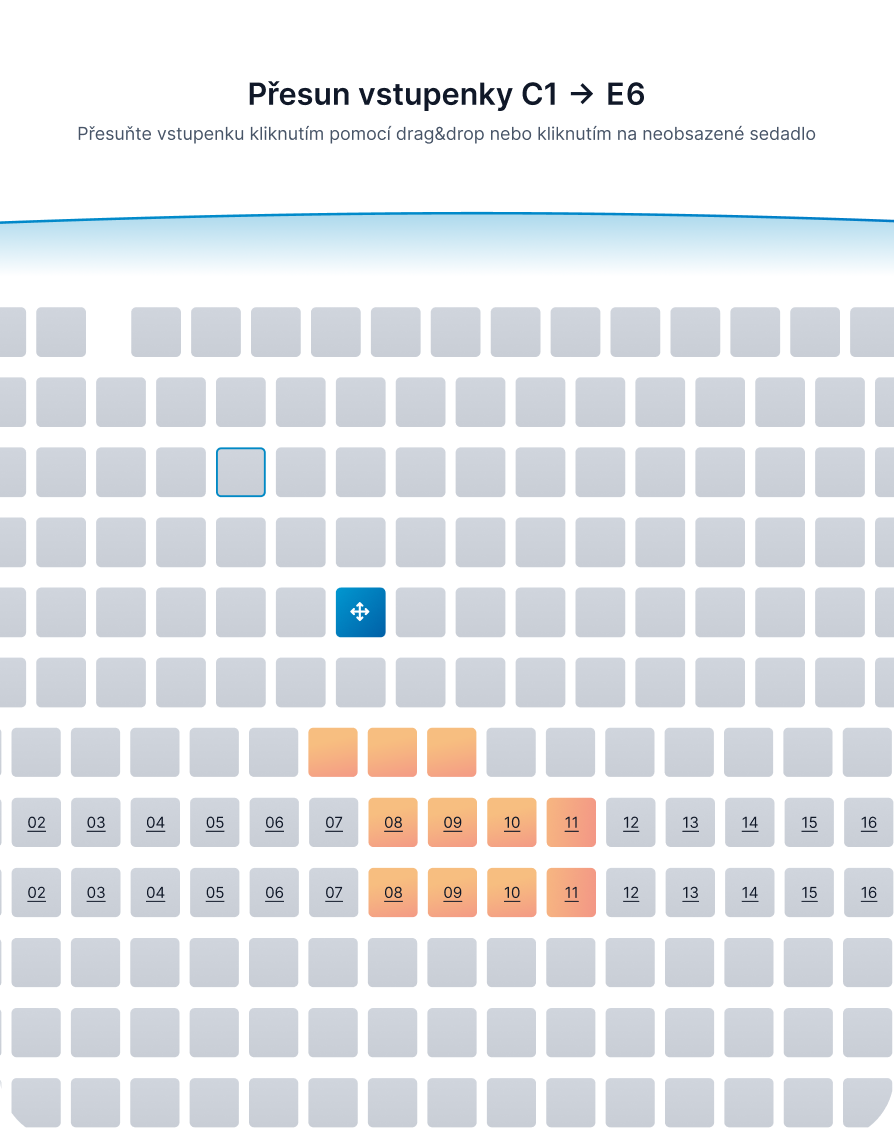
The seat component alone required careful state management: default, hover, focused, activated, disabled, spacer, editing and row number variants, each serving a distinct purpose in the hall configuration and booking flows.
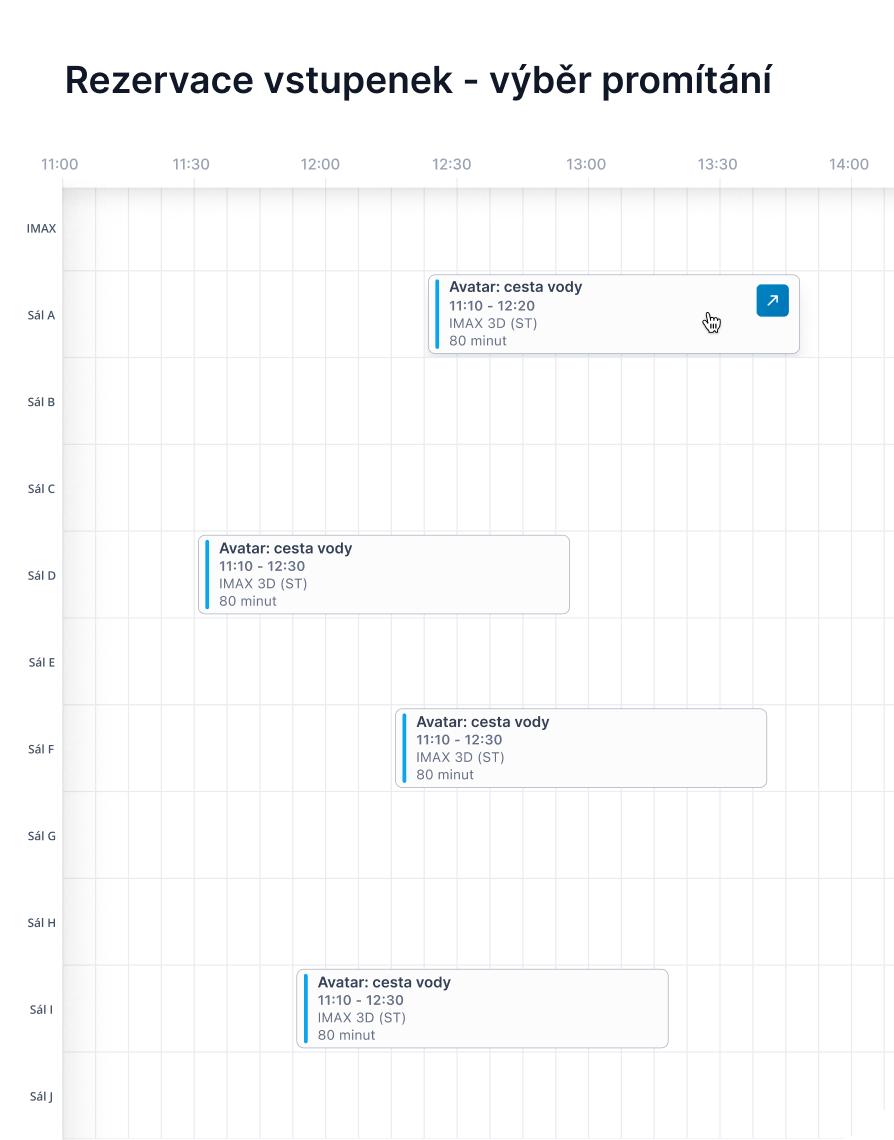
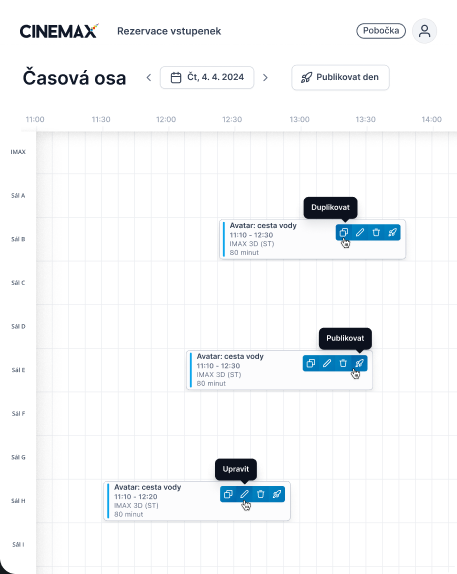
The film section is the most complex part of the Manager app. Beyond basic metadata, it handles production companies, contributors (directors, cast), genres, formats (2D, 3D, IMAX) and distributor linkages. Each film connects to a scheduling layer where showtimes are assigned to specific halls, making film management the root of almost every downstream operation.
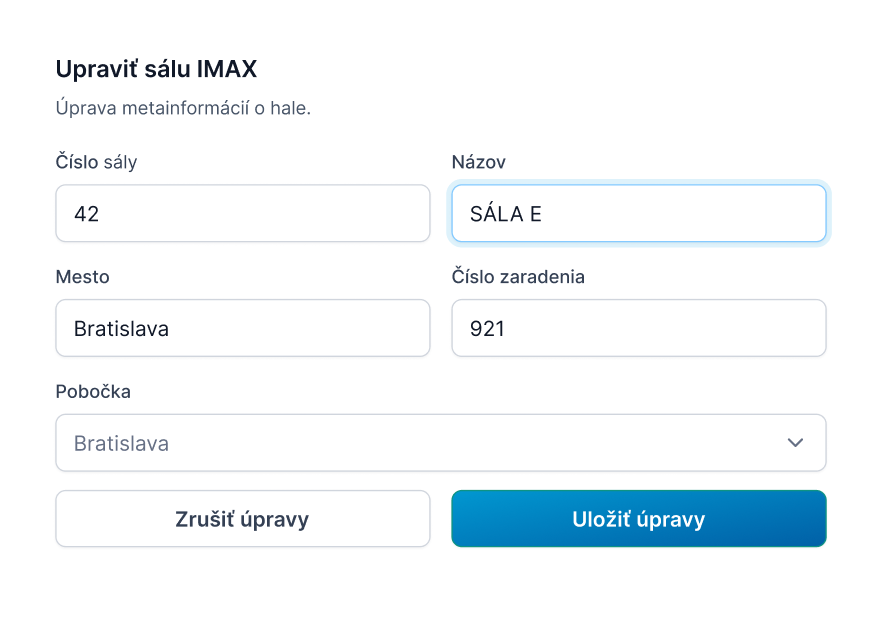
Each hall is configured visually: admins define the seat grid, mark spacers, assign row numbers and handle double seats and accessibility positions. This feeds directly into the sales flow, where staff select seats, apply discounts and process transactions at the box office.
The summary panel gives a live view of the transaction in progress: ticket count, pricing breakdown and total, keeping the box office workflow fast and readable under real pressure.
Outcome
Manager and Branch each work for their audience — the shared component library made that possible without doubling the design effort.