24/5/2026 · 9 min read

For most of the last decade, product teams have been organized around a handoff: designers produce mockups, engineers turn them into code. That model worked when interfaces were simpler, design tools were less expressive, and the cost of writing production UI was high. In 2026 every part of that equation has changed.
Across product teams in 2026, a quiet retitling is underway — Product Designers becoming Product Engineers, UX Designers becoming Design Engineers. The work itself didn't change overnight; it had been shifting for years. This article is a field report on what that shift actually looks like, what tools make it possible, and why this hybrid role is becoming the most leveraged seat at the product table.

A design engineer is a single person who designs the interface and ships it. Not "designs in Figma, then asks an engineer to build it" — but writes the production component, wires it into the design system, hits the API, owns the interaction in code. The Figma file is a scratch pad, not a contract.
The role goes by different names depending on the team: design engineer at Linear and Vercel, product engineer at most early-stage startups, UX engineer at Google, design technologist in larger product orgs. Underneath the labels the work is the same — closing the loop between the visual surface and the running product so that no detail has to survive a handoff.
This is not a junior role and it is not a unicorn role. It is what happens when a designer with strong opinions about craft picks up enough code to stop waiting for someone else to implement them, or when an engineer who cares about the surface starts shipping polished UI without a designer in the middle. The path goes both ways. The destination is the same.
Three things made the design engineer role inevitable this decade, and all three accelerated in the last twelve months.
Figma's Dev Mode, variables and code connect; component libraries that ship as both React and Figma assets; tools like v0, Cursor and Figma Make that turn a sketch into a working component in minutes. The friction between "I drew it" and "it works in the product" has dropped from days to hours. When the cost of crossing the gap is low, the gap itself becomes a tax that smart teams refuse to pay.
Cursor, Claude Code and GitHub Copilot turned the keyboard into a conversation. A designer who knows what they want — exact spacing, the right easing curve, the correct empty-state copy — can now describe it in plain language and get a working component back. The gating skill is no longer syntax. It is taste, judgement and the ability to read a diff.
Users no longer compare your app to your competitor's app. They compare it to Linear, to Notion, to Arc, to Things — to products where the smallest interaction has been sweated over. Reaching that bar through a designer-engineer handoff is slow and expensive. Reaching it with one person who owns the surface end-to-end is fast and cheap.

The most common question from designers curious about this path is: what does the day actually look like? Here is the honest version, not the LinkedIn version.
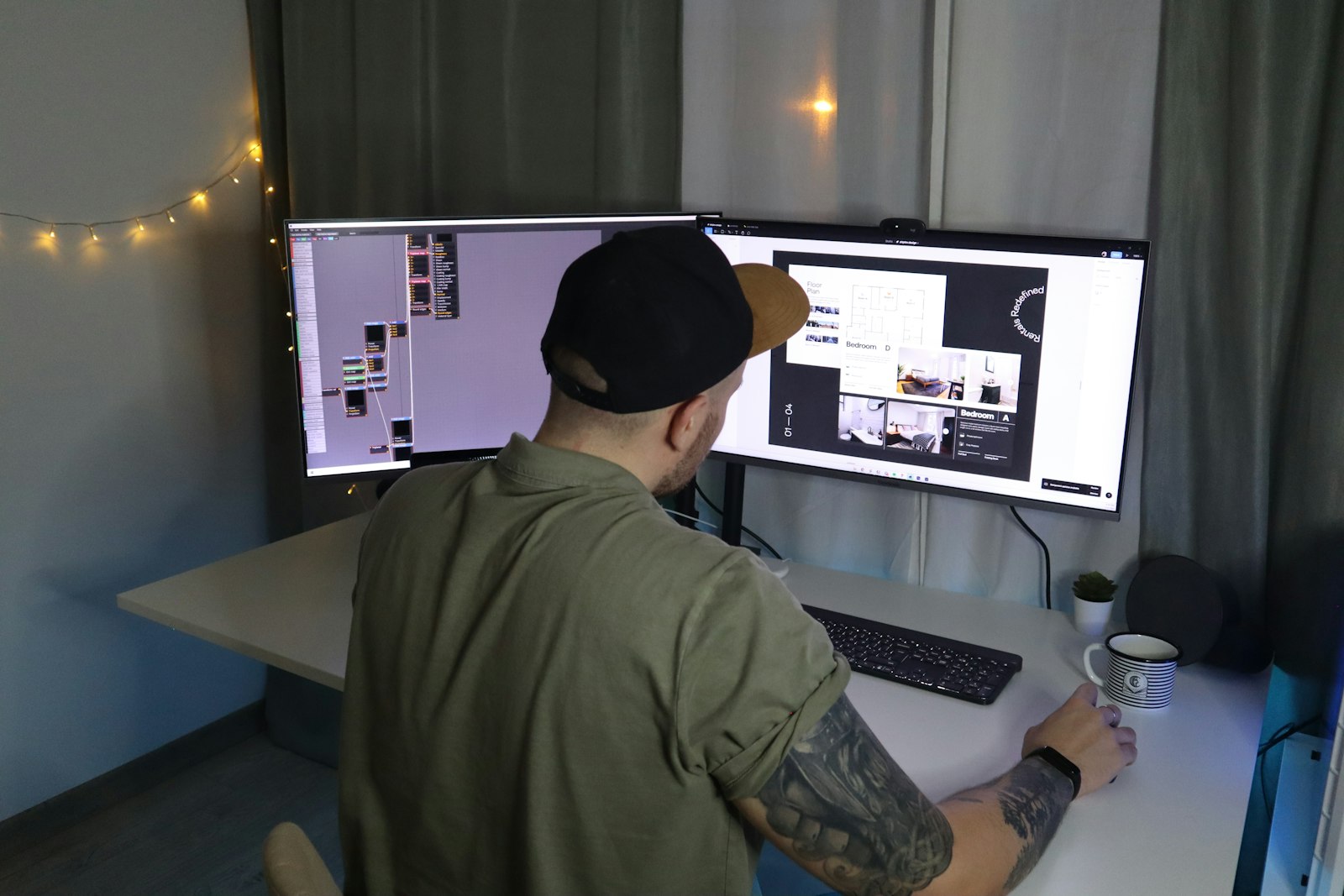
A typical feature starts the same way it always did — a problem, a goal, a few scrappy sketches in Figma. The difference is what happens after the sketch. Instead of polishing the Figma file to production quality, the design engineer opens the codebase, finds the closest existing component, and builds the new screen against the real design system, with real data, in a real browser. The "design" lives in the running app from day one.
Figma becomes a thinking tool, not a delivery tool. It still gets heavy use for exploring layouts, trying typography pairings, sketching states the product doesn't yet have — but the source of truth is the code. Validating a flow means opening a pull request with a working preview link, not a Figma frame with red sticky notes.
A good day ends with a real screen merged into staging — sketched, built, polished and reviewed by the same person. A bad day ends with a half-built component because an API integration was underestimated. Both happen. The cycle of build, ship, watch, refine is faster and more honest than the cycle of design, hand off, wait, review, debate.

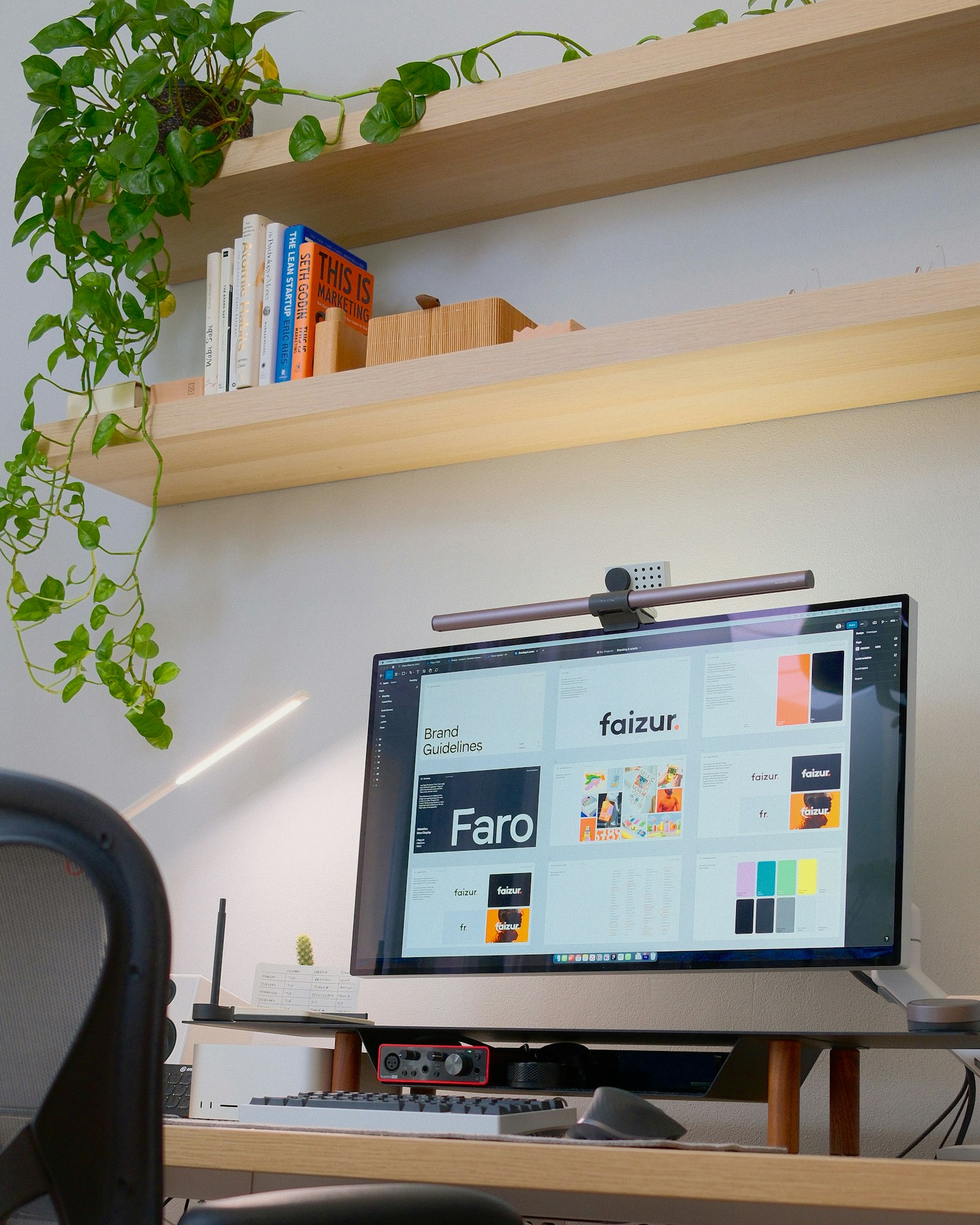
The exact stack varies by team, but a representative one in 2026 looks like Figma for thinking, Cursor with Claude as the primary editor, a React + TypeScript codebase with a mature design system, and a healthy preview-deploy pipeline so every pull request becomes a shareable URL within minutes.

It would be dishonest to pretend the role is all upside. Owning both sides introduces new failure modes that pure designers and pure engineers don't have.
The first failure is depth. Spreading your attention across the design and the implementation means you will be a worse designer than a pure designer and a worse engineer than a pure engineer at any given moment. The trade-off is real and it is permanent. The way to make it worth it is to pick the surfaces where the loop between design and code is the bottleneck, and own those completely.
The second failure is scope. Because you can ship the whole feature, you tend to take on the whole feature. That is fine for an interaction, dangerous for a system. Backend modeling, database schema, security boundaries, infrastructure — these are not your strengths and you should not pretend they are. Pair with the engineers who own them.
The third failure is process. Other people on the team still expect a handoff, a Figma file, a written spec. When you skip those rituals, you can leave designers and engineers around you without a way to plug in. The fix is to over-communicate intent: write more context, share PRs early, narrate the design decisions in the commit messages and the PR description. The artifact is now the running code, but the reasoning still has to be legible.
If you are a designer reading this and wondering how to get there, the path is shorter than you think — but it requires a real commitment, not a weekend experiment.

Design engineering is not a new specialization. It is a return to an older idea: that the person who knows what something should look like is also the person best positioned to make it that way. The decade of designer-versus-engineer handoffs was an artifact of the tools, not a law of nature. The tools have changed.
For designers tired of seeing their work watered down by handoff, or engineers tired of waiting for someone to specify the obvious — there is a seat at the table in this role. It is one of the most fun and most leveraged places to work in product right now.
The teams that figure out the workflow, the tooling and the role boundaries first will ship better product faster than the teams that keep treating design and engineering as separate disciplines. The opportunity is open; the tools are ready.